
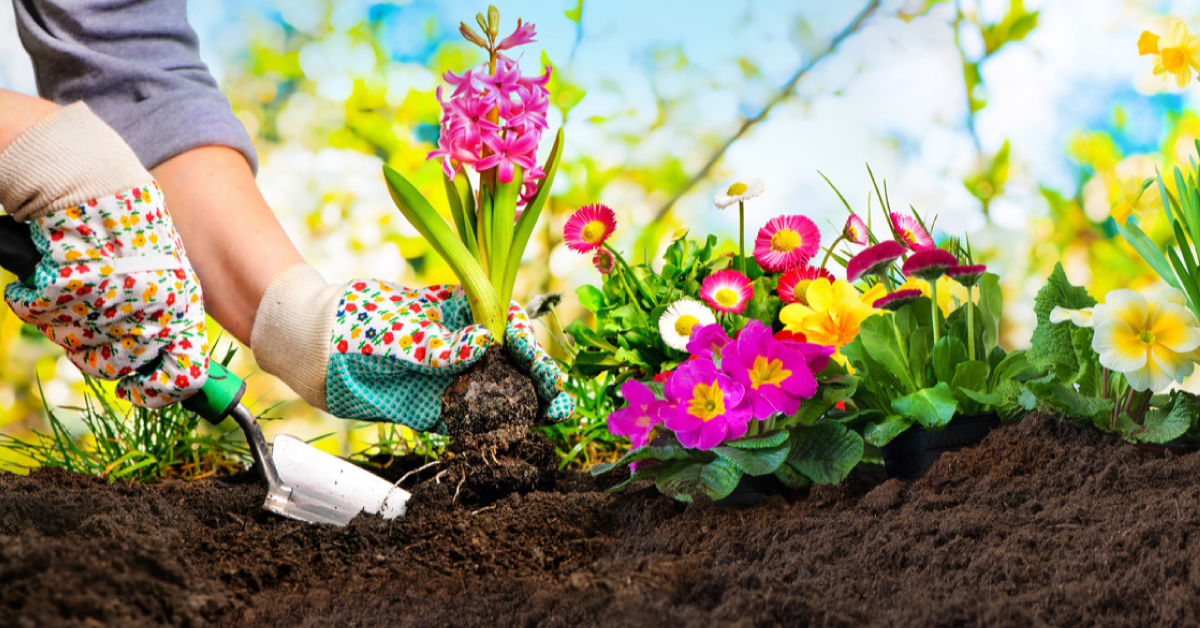
Creating a flower garden that blooms throughout the spring, early summer, mid-summer, late summer, and fall requires careful planning and consideration of the different species of flowers that will thrive in your local climate and soil conditions. Here are some of the best flowers to plant for continuous bloom:
- Spring bloomers: For early spring blooms, consider planting bulbs such as daffodils, tulips, and hyacinths. These are all perennial flowers that will come back year after year. You can also plant annuals like pansies, violas, and snapdragons for a burst of color.
- Early Summer bloomers: As spring gives way to summer, consider planting annuals like petunias, marigolds, and impatiens for continuous color. You can also plant perennials like peonies, irises, and roses which will bloom in early summer.
- Mid-Summer bloomers: In mid-summer, consider planting annuals like zinnias, cosmos, and sunflowers, which thrive in hot weather. You can also plant perennials like daylilies, coneflowers, and black-eyed Susans, which will bloom throughout the summer.
- Late Summer bloomers: As summer draws to a close, consider planting annuals like dahlias, salvias, and celosias, which will provide a late-season burst of color. You can also plant perennials like asters, mums, and sedums, which will bloom in late summer and early fall.
It’s important to note that different flowers have different sun and soil requirements. For example, sun-loving annuals like petunias and marigolds need full sun (at least 6 hours of direct sunlight per day), while shade-loving plants like impatiens and hostas thrive in partial or full shade.
In terms of soil, most flowers prefer well-drained soil that is rich in organic matter. You can improve your soil by adding compost or aged manure before planting. It’s also a good idea to test your soil pH to make sure it’s in the optimal range for the flowers you want to plant.
In conclusion, with careful planning and consideration of the different species of flowers that will thrive in your local climate and soil conditions, you can create a beautiful flower garden that blooms continuously throughout the spring, early summer, mid-summer, late summer, and fall. By mixing perennials and annuals, you can enjoy a wide range of colors and textures in your garden, and create a beautiful outdoor space that you can enjoy all season long.